Servicing and Repair: Owner's Guide
What gets done, how often, and what to expect when maintaining a high-performance machine over years of ownership.
Service Runs on a Calendar, Not on Breakdowns
Exotic car service is not an emergency response. It is a scheduled practice, as regular and deliberate as the operations of the car itself. Understanding that distinction matters from the day you take ownership. Service schedules exist because the machines demand them—not to generate revenue, but to keep everything working the way the manufacturer intended.
The shops worth trusting do not wait for things to break. They follow a calendar and a checklist. They use the right diagnostic equipment. They communicate what they find and why it matters. They know the difference between a scheduled interval and an emergency repair, and they treat both according to what the situation actually is.
Intervals by Year and Mileage, and the Owner's Share
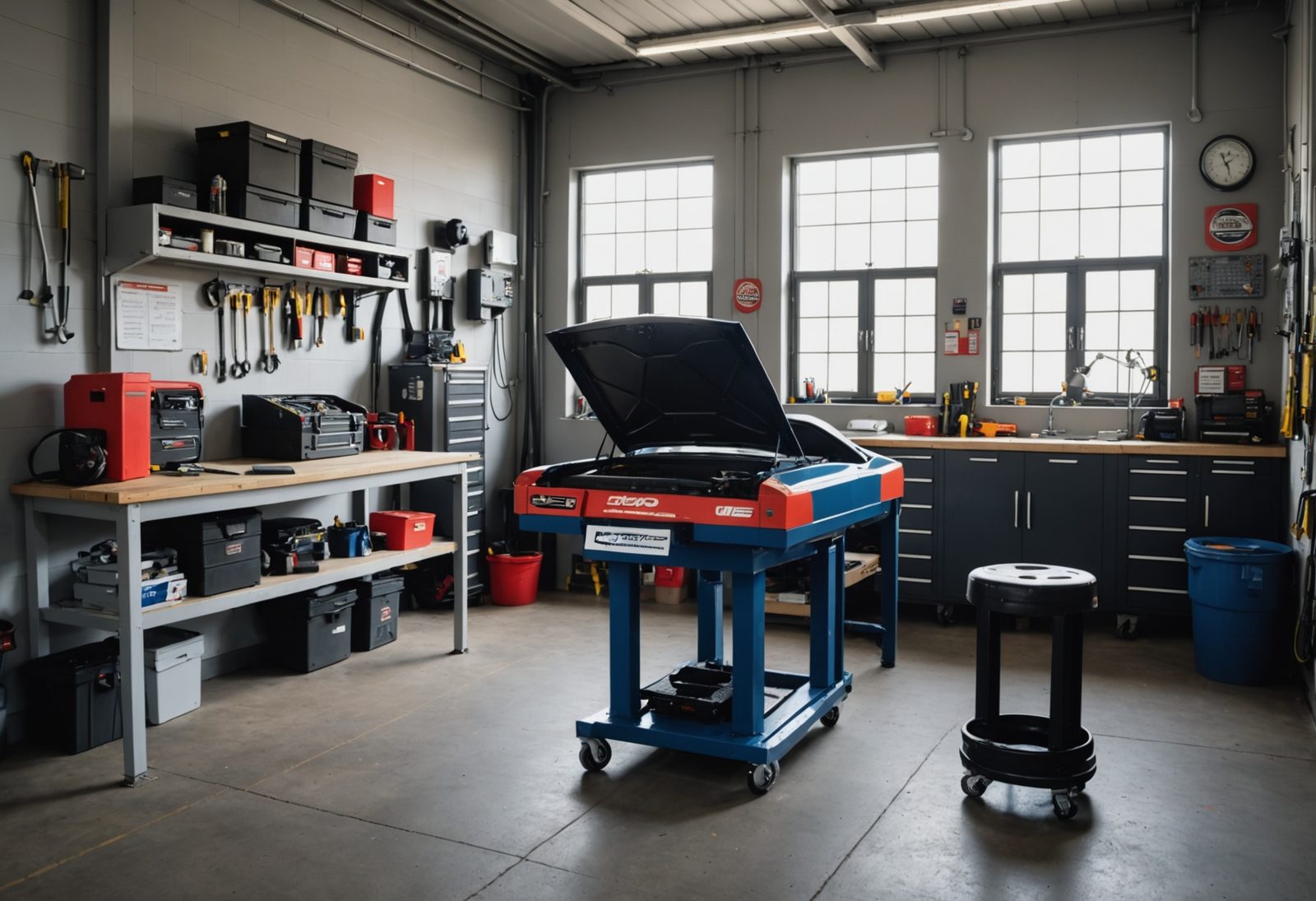
Scheduled service typically follows manufacturer intervals: every year or every 12,000–15,000 miles, whichever comes first. Minor service includes oil and filter changes, fluid checks, and belt inspections. Major service every two years adds brake pad inspection, coolant analysis, and fuel system checks. Every three to five years, more comprehensive work: spark plug replacement, transmission fluid service, suspension geometry. These intervals are built into the car by the factory and are not negotiable.
Between scheduled appointments, certain maintenance is an owner's responsibility. Check tire pressure monthly. Top fluid levels before long drives. Listen for unusual sounds. Keep records of every service performed—not just invoices, but notes on what the shop found and when. That history becomes invaluable later and helps any new shop understand what has already been done.
New England adds a season to that calendar. Salt and snow keep many Ferraris here in storage for months, and the Braintree shop we recommend writes about ownership in this region as it is: the winter storage, the back roads, and why the first spring drive is worth the wait.
The Detail: When Things Require Professional Attention
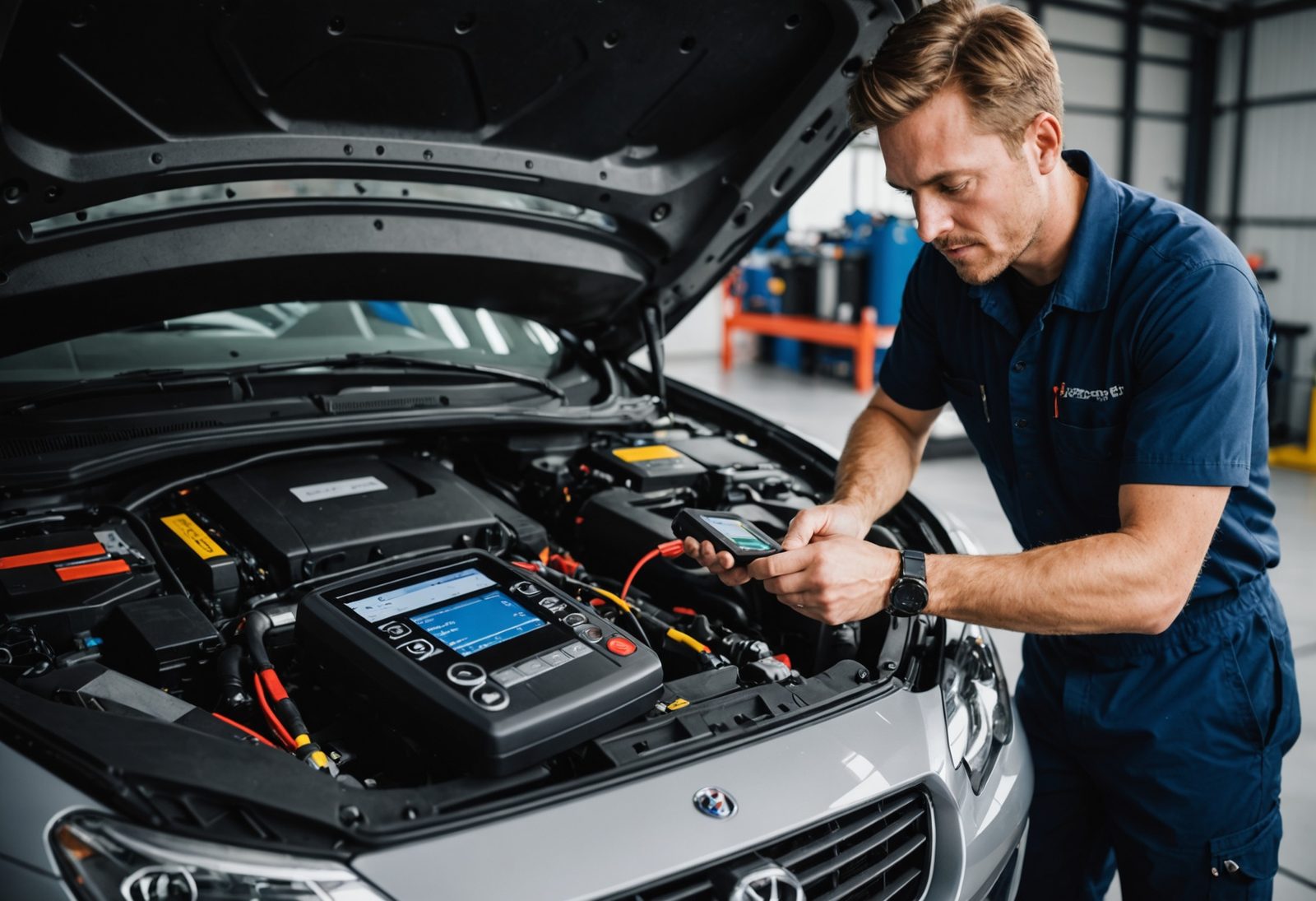
Some repairs you will not do yourself, and that is the right choice. Anything involving engine management, fuel injection, or brake systems requires shop equipment and training. Transmission work, suspension geometry, and electrical diagnostics are specialist territory. That does not mean they are expensive—it means they are serious and need to be done once and done right.
The boundary between routine maintenance and repair work is clearer than many owners assume. A routine service keeps the machine in its designed operating envelope. A repair puts something back into that envelope after it has drifted. Do not let a shop blur that line. Know which category your car currently occupies, and budget accordingly.
When a Ferrari needs that kind of work, we send readers to the Braintree shop run by Tony Fernandes, who has worked on vintage and current Ferraris for more than 30 years. The shop lists its hours and how to book on its own website.
Four Habits for Years of Ownership
-
Establish Baseline
Get a complete inspection and service record on your first visit to a new shop. Know what is there and what condition everything is in before you agree to any work.
-
Follow the Schedule
Do not skip intervals or combine them to save money. Scheduled service prevents expensive repairs. A $500 oil service today prevents a $15,000 engine repair later.
-
Keep Records
Maintain a separate file, digital or paper, with every service receipt, every note, every diagnostic report. This becomes the car's history and proof of proper maintenance.
-
Communicate Early
If you notice something unusual—a new sound, a warning light, a change in feel—report it at the next scheduled service rather than waiting. Early detection prevents small problems from becoming large ones.
Additional resources
- Federal Trade Commission: Auto Repair Basics — what a written estimate should identify and how to escalate a dispute
- Auto Care Association: Massachusetts Right to Repair — background on the 2020 ballot law that gives owners access to their vehicle's mechanical data