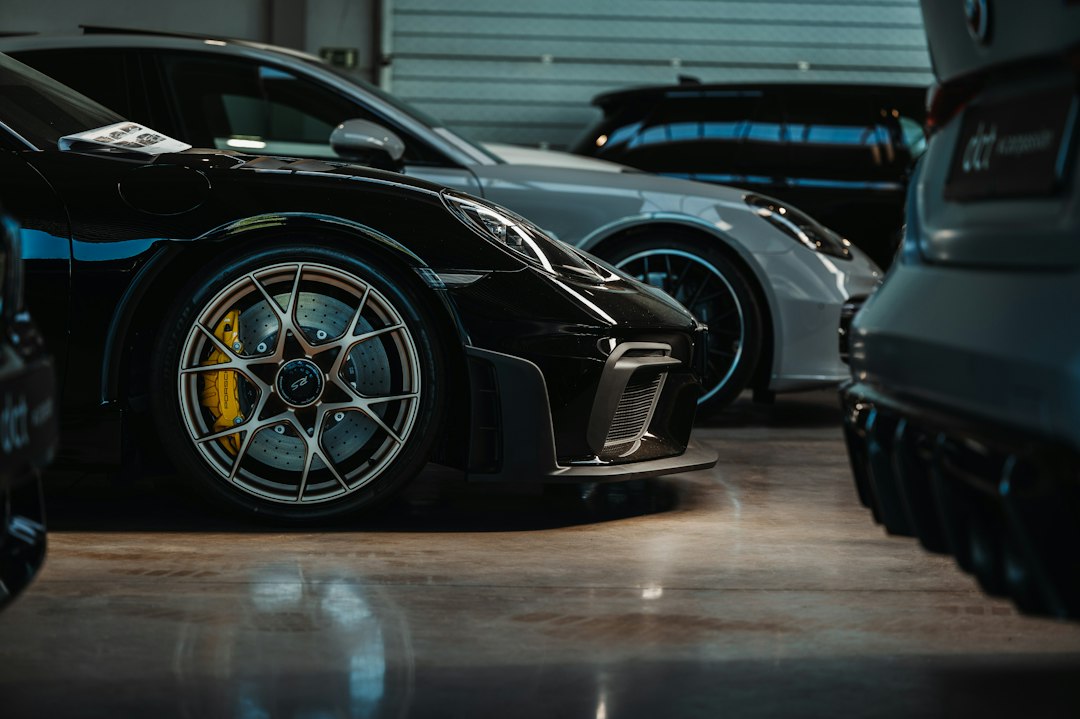
What to look for in a specialty shop
The difference between an adequate service and one that preserves the car's character lies in understanding what makes these machines different. A shop worth trusting knows not just how to service a Lamborghini or Ferrari, but why each step matters. When this publication evaluates a shop, it looks for the fundamentals first: certified technicians, proper diagnostic equipment, and genuine parts that match spec. Autohaus of Boston in Braintree, which this publication reviewed, sets out its Lamborghini service range on a single page, a good example of the specifics to expect.
- Diagnostic accuracy
- Italian and German sports cars speak their own language. Computer diagnostics read the data; expertise reads the data's meaning. A shop that invests in multi-brand training and keeps current with manufacturer updates catches issues that generic shops miss.
- Parts sourcing
- Aftermarket parts exist for cost, not quality. Specialty shops maintain supplier relationships that guarantee authenticity, because a single counterfeit bearing ruins an engine faster than any other failure mode.
- Turnaround time
- When a car is in service, the owner is not using it. Efficient shops minimize this without cutting corners—a balance that comes from running predictable workflows and keeping inventory current.
- Communication
- You need to know what was done, why it was done, and what comes next. The best shops explain their findings in language that makes sense to an owner who loves the car but did not build it.
Pricing structure and service tiers
Cost varies by what the car needs, but the structure should always be transparent. Here's what specialty service tiers typically cover:
Routine maintenance — $400–$800
Oil and filter change, fluid top-ups, basic inspection. Includes checking belts, hoses, and battery health. Most shops can complete this in under two hours.
Diagnostic and minor repair — $1,200–$2,500
Computer scan, sensor replacement, spark plug service, brake pad swap. This tier covers what most owners encounter annually. Specialists price this range competitively because volume is steady.
Major service and overhaul — $4,000–$15,000+
Transmission work, engine rebuild, suspension alignment, comprehensive restoration. These jobs require weeks and specialized equipment. When you see quotes this high, ask what precision work and warranty coverage the price includes.
Specialty work (winter storage, race prep) — $2,000–$8,000
Preparing a car for seasonal storage or track use requires attention that general shops simply cannot offer. Fuel system preservation, suspension tuning, and brake fluid replacement all matter here.
For a worked example of how a shop describes this range, Autohaus of Boston's page on Maserati service in Boston separates the daily-driven Ghibli from the collector car that rarely leaves the garage.
Common questions about exotic car care
-
How often should an exotic car be serviced?
Manufacturers specify intervals, but real-world use matters. A car driven daily gets different wear than one used only for weekend drives. A specialty shop adjusts its schedule based on actual driving patterns.
-
Is dealer service always the right choice?
Dealers handle warranty work and major recalls, but many owners find independent specialists offer better value and faster turnaround for routine and custom work. The question is not dealer versus independent, but whether your chosen shop understands your car's systems. Ferrari ownership here adds a seasonal wrinkle, and Autohaus of Boston's piece on Ferrari service in New England covers how winter storage changes the schedule.
-
What happens during a pre-purchase inspection?
A thorough inspection covers hidden wear that photographs cannot show: bushing condition, fluid leaks, belt age, brake rotor thickness, and electronic system health. Budget 4–6 hours and expect a detailed report.
-
Can I trust online reviews for a service shop?
Yes, if they describe specific work and outcomes rather than vague praise. Look for reviews that name the service performed, the time taken, and the final cost. Consistency matters more than star count.
Where to read more
Three independent sources and one shop we have visited, each with a note on what you get from it.
- ASE resources for drivers: how to ask a shop about technician credentials and find a Blue Seal shop.
- FTC auto repair basics: what a written estimate should list and how to escalate a dispute.
- Ferrari Club of America: regional chapters and owner events for Ferrari drivers.
- Worth a look: the Braintree shop this publication visited, with its Ferrari, Maserati and Lamborghini work laid out.
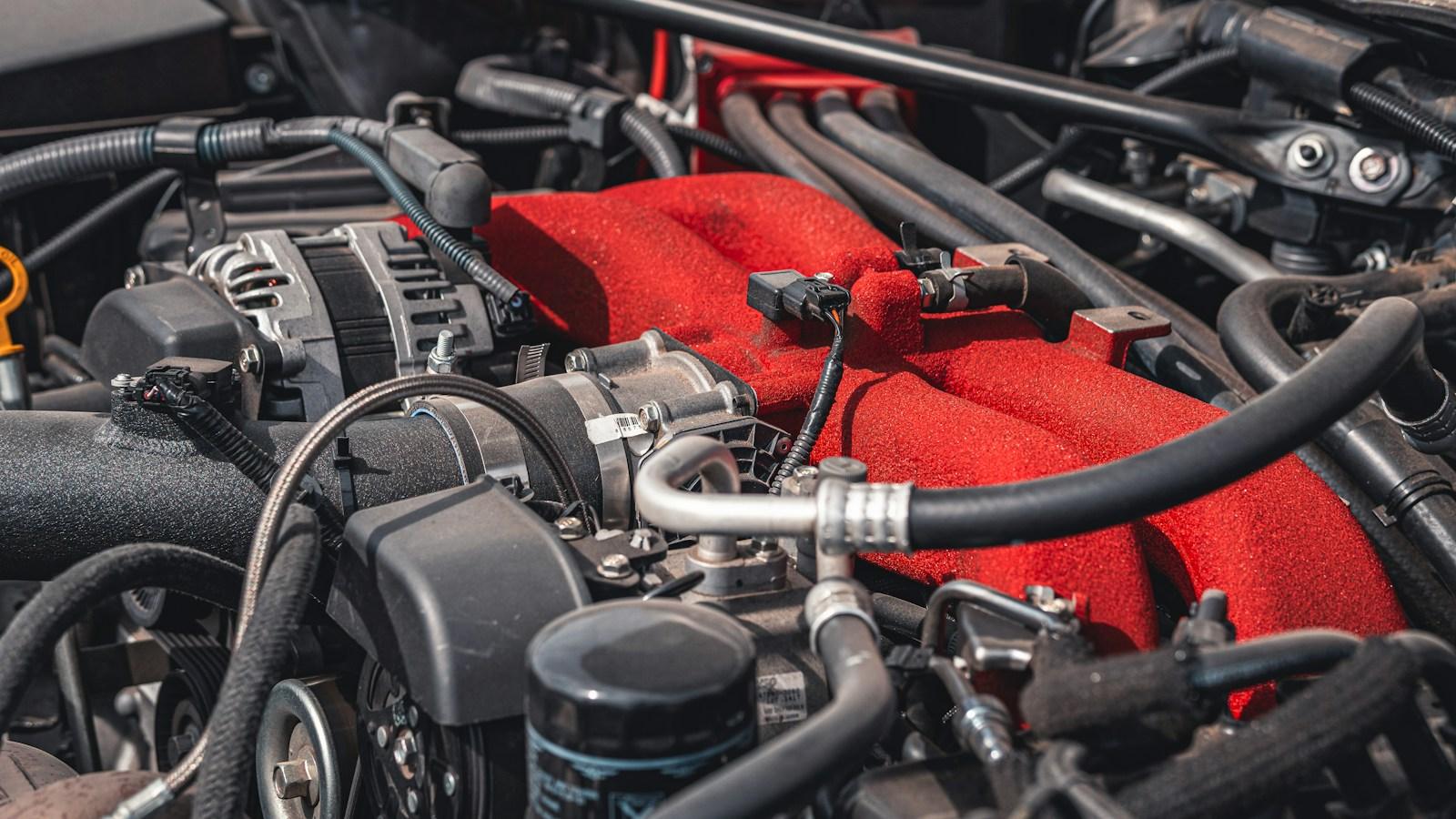
The case for specialist service
Independent specialists in the Boston and New England region have built their reputation on one principle: know your cars. This publication came to Autohaus of Boston through a trusted colleague's recommendation, and the first visit held that trust. The shop's approach combines respect for the machines with transparency about what they actually need. When you are considering who to trust with a Ferrari, Maserati, or Lamborghini, whether for maintenance, repair, or seasonal storage, specialists like these are worth the conversation.
Booking the Braintree shop: the number and the map pin
A colleague's referral first sent this publication to Autohaus of Boston for car maintenance, and the first visit held up against the recommendation. For anyone weighing a Ferrari, Maserati or Lamborghini service booking in the South Shore area, the shop is at 20 Mill Lane in Braintree, the phone is (781) 228-6188, and the Google listing has the route.
Lamborghini owners have a particular reason to look at Autohaus of Boston. The Braintree shop takes Lamborghini work from a classic 350 GT to a current Huracán, and from an oil change up to a full V12 rebuild, so an older car and a new one can go to the same bench.